AI AI, Captain
All Hands on Tech
For decades, the image of a ship broker was straightforward: relentless negotiators working phones, chasing cargo, pushing freight, and closing deals through instinct, timing, and grit. Deals were done on restaurant napkins with a borrowed pen, drink in hand, sealed with a handshake, and backed by relationships that carried more weight than contracts. Negotiation was the currency of the trade. And while that skill still matters, the role of the broker is evolving into something far more valuable. Today, the modern ship broker is becoming less of a transactional middleman and more of a strategic advisor.
That evolution is being accelerated by something the industry once feared: artificial intelligence.
When AI first entered conversations around shipping, many assumed it would eventually replace brokers altogether. The thinking was simple. If technology could provide rates, vessel positions, market trends, and instant communication, what role would the broker still play? But that prediction overlooked one critical truth about shipping: this business has always been, and will remain, deeply human.
Shipping is built on relationships, trust, judgment, and experience. Markets shift by the hour. Geopolitical tensions, weather disruptions, port congestion, sanctions, fuel volatility, and operational risk can change the complexion of a deal in minutes. Just like most people wouldn’t hand over their life savings to an AI-generated financial plan without speaking to a trusted advisor, industry players are not going to move millions of dollars in cargo or buy a $100 million asset based solely on an algorithm. They still want experienced professionals who can interpret the market, understand nuance, navigate details, and stand behind the decision.
Data alone cannot interpret human behavior or market psychology.AI can process information faster than any person ever could, but it cannot replicate instinct. It cannot replace decades of market understanding. What it can do is enhance the broker who already possesses those skills.
For years, shipping was labeled an old-school industry, slow to adopt technology and stubbornly tied to legacy processes. In many ways, that reputation was earned. Deals moved through endless email chains. Market intelligence lived in scattered spreadsheets, inboxes, and institutional memory. Critical decisions often depended on who happened to be awake, available, or closest to the information. But that is changing fast.
Our industry’s lack of historical technological investment may now be its greatest advantage. While other industries remain trapped under layers of legacy infrastructure and tech debt, shipping has an opportunity to accelerate through this AI revolution faster and more aggressively. The firms that understand how to combine human expertise with intelligent technology are creating an entirely new operating model for shipbroking.
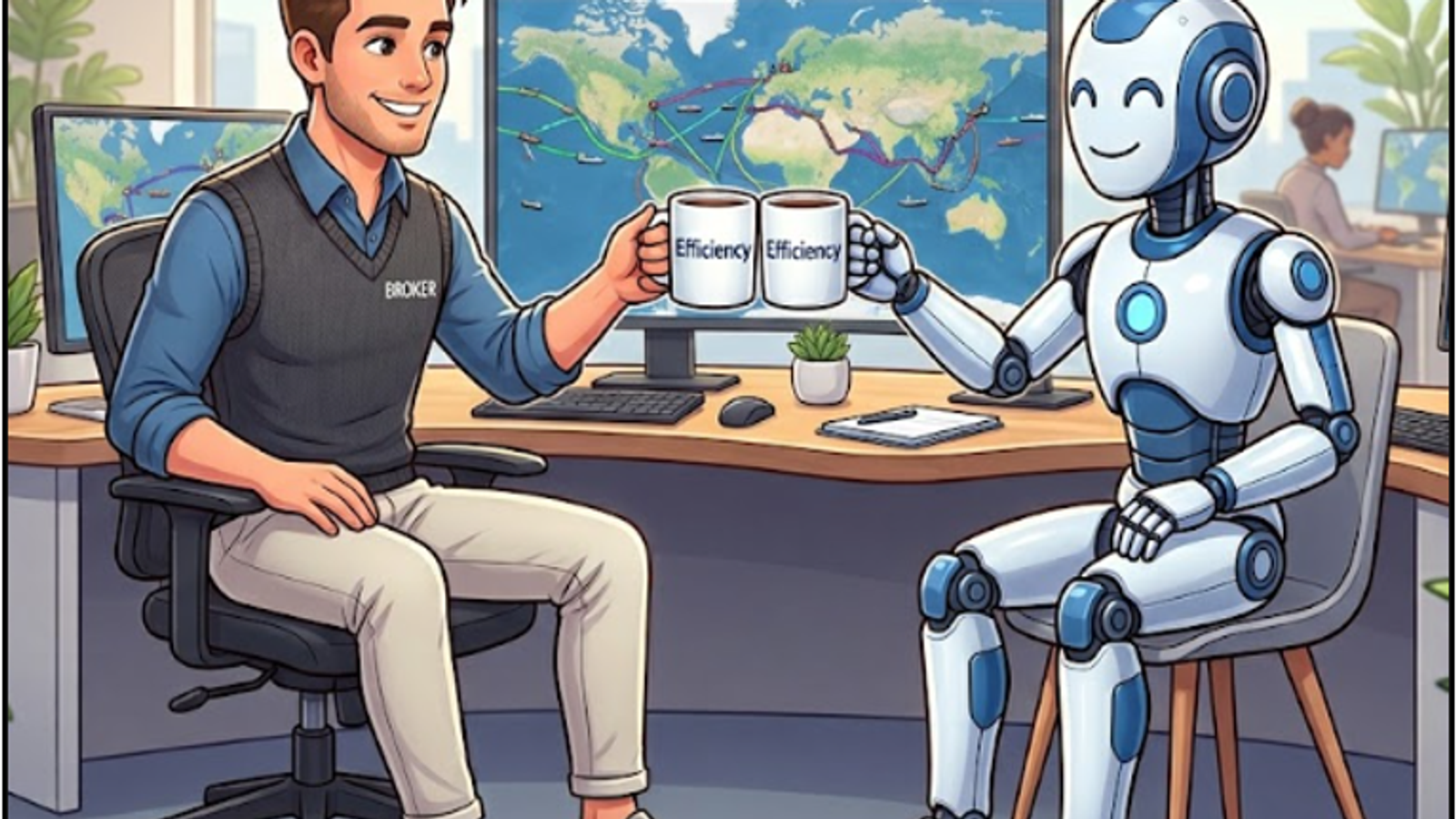
At MJLF, we recognized early that AI should not sit outside the brokerage process. It should sit beside the broker. That mindset led us to build proprietary AI-driven tools designed to enhance decision-making, accelerate workflows, and deliver deeper, more thoughtful intelligence to customers in real time. By capitalizing on decades of data collection, the returns on investment have exceeded even the most extreme upside expectations. The momentum is already undeniable. What began as an effort to modernize workflows a year ago has quickly evolved into a fundamental shift in how MJLF operates.
Customers are no longer waiting hours for fragmented information. They are receiving faster, more actionable insights that allow them to move with greater confidence in volatile markets. Our brokers are spending less time buried in administrative noise and more time advising clients strategically, anticipating challenges before they happen, and focusing on relationships that actually drive business forward.
That distinction matters.
The brokers who will define the next decade of shipping are not the ones resisting technology. They are the ones learning how to combine technology with human expertise. Shipping may be one of the few industries where human expertise becomes more valuable as AI becomes more powerful.
Ironically, technology may end up making shipbroking more human, not less. When repetitive tasks disappear, relationships matter more. Conversations matter more. Expertise matters more. Customers still want answers they can trust, and they still want a person standing behind those answers.
The next era of shipping will not be driven by technology alone. It will be driven by the people who know how to use it better than everyone else. The firms embracing this shift early are already being buoyed to the top, while those resisting it risk being left behind by a new kind of tech-driven natural selection.